

The most suitable toy for children’s development? Hint: they are not electronic or expensive
What we know about toys
The most important attribute of a toy is that it can engage parents or caregivers with children in a warm and interesting interaction full of rich language, supporting the parent-child relationship and the child’s social emotional and cognitive language development. High-quality toys can be useful “props” that promote interesting interactions, and provide parents and children with a common focus of development and participation.
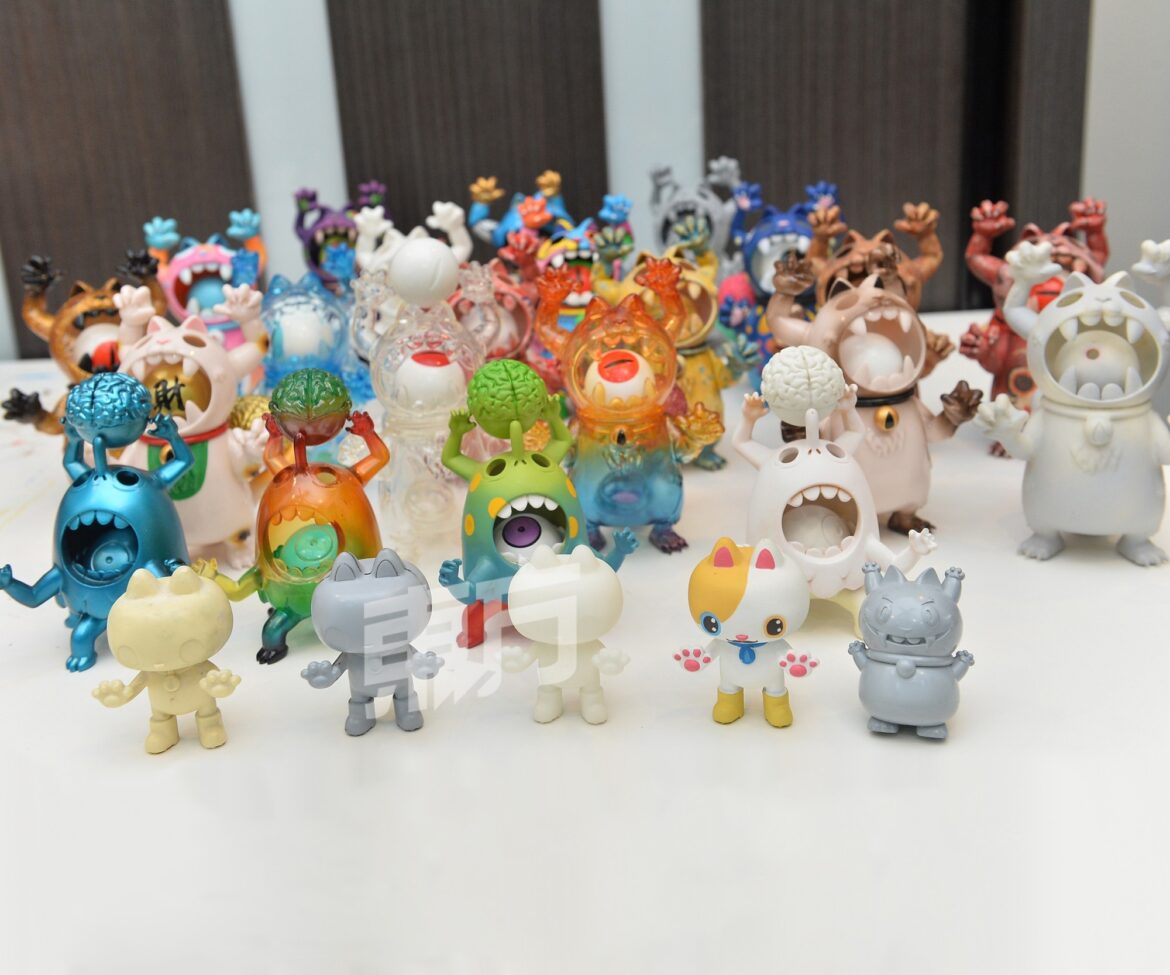
Toys that promote pretense together (for example, dolls, characters, and animals) can promote the use of words and narratives to describe feelings and emotions. Imaginative games with such toys can also support language development, self-regulation, and social and emotional development.
Playing with toys such as building blocks and puzzles can support fine motor skills, cognitive and language development, and early spatial skills and mathematics. Since the rules are usually negotiated, the use of toys such as balls in sports activities can support gross motor development, self-regulation, and peer interaction.
Jililive777… the ‘live’ part got me curious, and it delivers! Live dealer games were pretty engaging. If you’re tired of the usual slots, give this a try. Get your live fix: jililive777
I have been searching for a reliable mobile slot app for months and finally found a real gem. The download is super quick and the interface runs flawlessly on my phone. Loved the variety of games and the smooth payout process. Highly recommend checking out 139slotsapk